

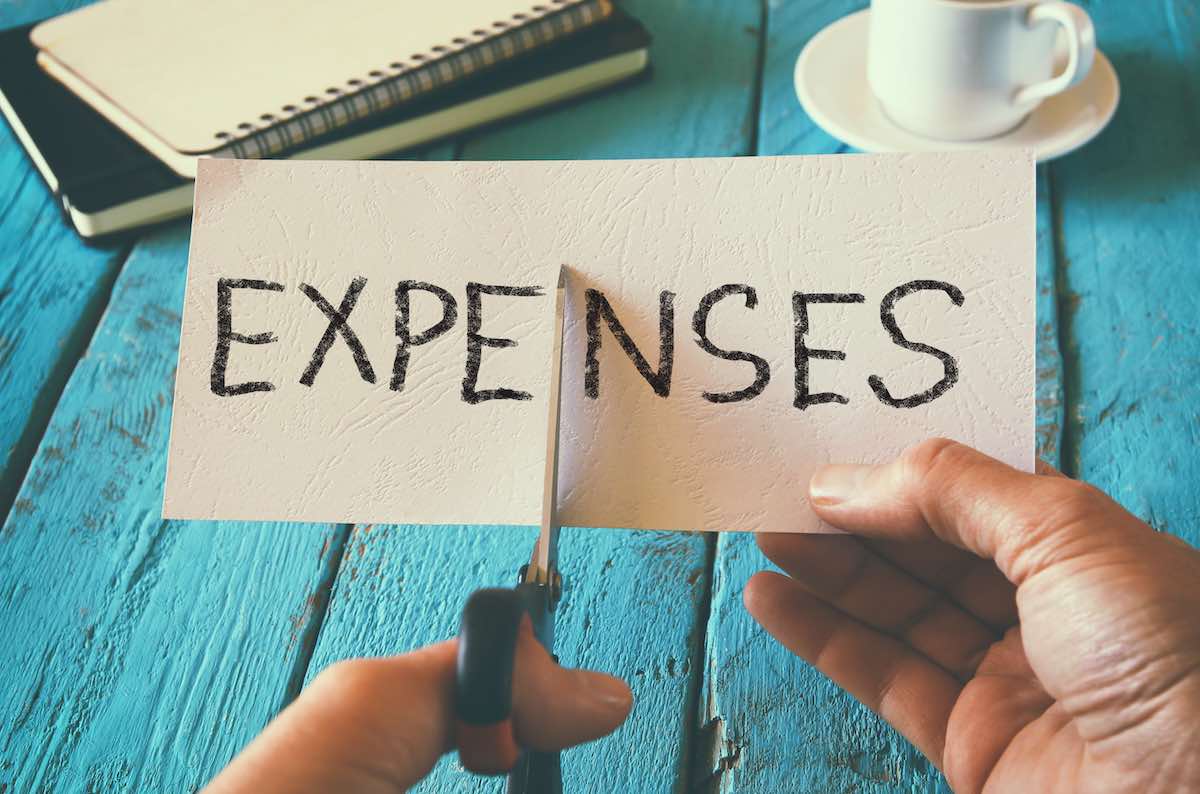
Rising living costs, inflation, and unexpected expenses make it harder than ever to manage personal finances effectively. Many people struggle not because they earn too little, but because they spend without a clear plan. Reducing personal expenses doesn’t mean sacrificing comfort or enjoyment—it means spending smarter and prioritizing what truly matters. By making small but consistent changes to your daily habits, you can free up money for savings, investments, and financial security. This guide outlines ten practical and proven ways to reduce your personal expenses and spending without feeling restricted, helping you build better financial habits and long-term stability.
Why Reducing Personal Expenses Matters
Reducing personal expenses is one of the fastest ways to improve your financial health. Unlike increasing income, which often takes time and effort, cutting unnecessary spending delivers immediate results. When expenses are under control, you can save more money, pay off debt faster, and reduce financial stress. Lower spending also creates flexibility, allowing you to handle emergencies without relying on credit cards or loans.
Over time, consistent expense management helps you build wealth by redirecting saved money toward investments or long-term goals. It also promotes mindful spending, helping you distinguish between needs and wants. Most importantly, reducing expenses gives you control over your finances instead of feeling controlled by them. Whether you want financial freedom, early retirement, or simply peace of mind, managing expenses is a foundational step toward achieving those goals.
Track Your Expenses and Spending Habits
Tracking your expenses is the first and most important step toward reducing spending. Many people underestimate how much they spend on small, daily purchases like snacks, subscriptions, or transportation. By recording every expense, you gain clarity on where your money is going. You can use budgeting apps, spreadsheets, or even a notebook to track spending consistently.
Reviewing your expenses weekly or monthly helps identify patterns and areas where money is being wasted. Once you understand your spending habits, it becomes easier to make informed decisions and cut unnecessary costs. Expense tracking also increases accountability, making you more conscious before making purchases. Over time, this habit builds financial awareness and helps you develop better money management skills, laying the foundation for long-term savings and smarter spending decisions.
Create and Stick to a Monthly Budget
A monthly budget gives structure to your finances and prevents overspending. It helps you allocate income toward essentials, savings, and discretionary expenses. Popular budgeting methods like the 50/30/20 rule make budgeting simple and flexible. The key to success is creating a realistic budget that matches your income and lifestyle. Avoid overly restrictive budgets, as they often lead to frustration and failure.
Review your budget regularly and adjust it when expenses or income change. Sticking to a budget encourages discipline and helps you prioritize financial goals. It also highlights areas where you can reduce costs without affecting your quality of life. With consistency, budgeting becomes a habit that empowers you to control spending, build savings, and achieve financial stability.
Cut Unnecessary Subscriptions and Memberships
Subscriptions and memberships are silent budget killers. Streaming services, fitness apps, software tools, and memberships often go unused but still drain money monthly. Start by listing all your subscriptions and reviewing how often you actually use them. Cancel those that provide little value or duplicate services. Many people save a significant amount simply by eliminating unused subscriptions.
Consider sharing family plans where allowed or switching to free alternatives. Even small monthly savings add up over time and can be redirected toward savings or debt repayment. Make it a habit to review subscriptions every few months to ensure they still align with your needs. Cutting unnecessary subscriptions is one of the easiest and fastest ways to reduce expenses without impacting daily life.
Reduce Food and Grocery Expenses
Food is a major expense for most households, but it’s also an area with high savings potential. Meal planning helps you avoid impulse grocery purchases and reduces food waste. Cooking at home instead of eating out saves money and promotes healthier eating. Buying groceries in bulk, choosing store brands, and shopping with a list can significantly lower costs. Avoid shopping while hungry, as it leads to unnecessary purchases.
Take advantage of discounts, coupons, and seasonal produce. Reducing food expenses doesn’t mean compromising on nutrition; it means being intentional with choices. Small adjustments, such as limiting takeout meals and planning weekly menus, can result in substantial monthly savings over time.
Lower Utility and Household Bills
Utility bills are recurring expenses that can often be reduced with simple changes. Turning off lights and appliances when not in use, using energy-efficient bulbs, and optimizing heating and cooling settings can lower electricity costs. Fixing water leaks and reducing unnecessary water usage helps cut water bills. Review your internet, phone, and cable plans to ensure you’re not overpaying for unused services.
Negotiating with service providers or switching to competitive plans can result in immediate savings. Smart energy habits not only reduce expenses but also promote sustainability. Over time, these small adjustments add up, making household expense reduction both practical and impactful.
Avoid Impulse Buying and Emotional Spending
Impulse buying and emotional spending are major causes of unnecessary expenses. Stress, boredom, or social pressure often trigger purchases that aren’t planned or needed. Practicing mindful spending helps you pause and evaluate purchases before committing. The 24-hour rule—waiting a day before buying non-essential items—can prevent regretful spending.
Creating shopping lists and sticking to them reduces impulse purchases. Understanding your emotional triggers helps you develop healthier coping strategies that don’t involve spending money. Over time, reducing impulse buying strengthens financial discipline and allows you to spend confidently on what truly adds value to your life.
Use Cashbacks, Discounts, and Smart Shopping Tools
Smart shopping tools can significantly reduce expenses without reducing consumption. Cashback apps, reward cards, and discount platforms offer savings on everyday purchases. Comparing prices online before buying ensures you get the best deal. Shopping during sales and using promo codes can lower costs on essential items.
However, it’s important to avoid buying unnecessary items just because they’re discounted. Strategic use of rewards and cashback programs maximizes savings while maintaining control over spending. When used wisely, these tools help stretch your budget further and make everyday expenses more affordable.
Reduce Transportation and Travel Costs
Transportation costs can consume a large portion of your budget. Using public transportation, carpooling, or walking when possible reduces fuel and maintenance expenses. If you own a vehicle, maintaining proper tire pressure and driving efficiently saves fuel. Planning trips in advance minimizes unnecessary travel.
For long-distance travel, booking tickets early and comparing prices helps secure better deals. Remote work options, when available, can also reduce commuting costs. Small changes in transportation habits can result in significant monthly savings while promoting environmentally friendly choices.
Pay Off High-Interest Debt Quickly
High-interest debt increases expenses by adding extra costs through interest payments. Paying off such debt quickly reduces financial strain and frees up money for other goals. Methods like the debt snowball or avalanche approach help organize repayments effectively. Refinancing or consolidating debt at lower interest rates can also reduce overall costs.
Avoid accumulating new debt while paying off existing balances. Once high-interest debt is eliminated, redirect the money previously spent on interest toward savings or investments. Reducing debt not only cuts expenses but also improves financial confidence and long-term stability.
Adopt a Minimalist and Value-Based Lifestyle
A minimalist, value-based lifestyle focuses on spending money only on what truly matters. By prioritizing needs over wants, you avoid unnecessary purchases and reduce financial clutter. Minimalism doesn’t mean deprivation; it means intentional spending aligned with personal values.
This approach encourages thoughtful decisions, reduces stress, and promotes financial clarity. Over time, value-based spending leads to greater satisfaction and financial freedom. By buying less but better, you save money while enjoying higher-quality experiences and possessions.
Conclusion
Reducing personal expenses is not about restriction—it’s about control and awareness. By tracking spending, budgeting effectively, and making intentional choices, you can significantly improve your financial situation. Each of the ten strategies discussed offers practical ways to save money without sacrificing comfort or happiness. Start small, remain consistent, and gradually build better financial habits. Over time, reduced expenses lead to greater savings, lower stress, and a more secure financial future. The sooner you begin, the faster you’ll see positive results.
FAQs
How can I reduce my personal expenses quickly?
You can reduce personal expenses quickly by tracking all your spending, cutting unnecessary subscriptions, and avoiding impulse purchases. Focus first on non-essential expenses such as entertainment, dining out, and unused memberships. Creating a simple monthly budget and following the 24-hour rule before making purchases also helps control spending immediately.
What is the easiest expense to cut first?
The easiest expenses to cut are recurring subscriptions, dining out, and impulse purchases. Many people pay for services they rarely use. Reviewing bank statements and canceling unused subscriptions can save money instantly without affecting your daily lifestyle.
Is budgeting necessary to reduce spending?
Yes, budgeting is essential for reducing spending effectively. A budget helps you understand where your money goes, set limits, and prioritize savings. Without a budget, it’s easy to overspend unknowingly. Even a simple budget can lead to better financial control.