

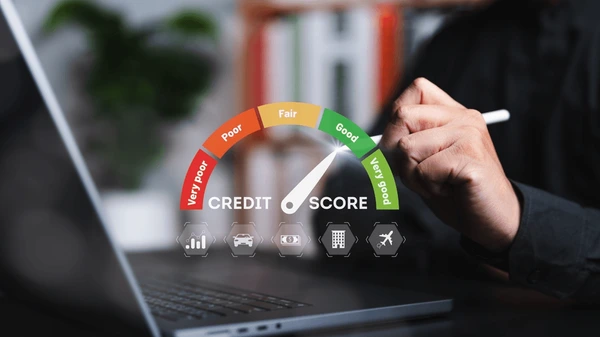
A good credit score is essential for securing loans, credit cards, and favorable interest rates. Many people underestimate how quickly their credit score can improve with consistent effort and smart strategies. A higher credit score not only saves money but also opens doors to better financial opportunities, such as lower interest rates and faster approval for credit applications. This article shares 12 actionable ways to improve your credit score fast, covering steps from checking your credit report to managing accounts strategically. Whether you’re recovering from past financial mistakes or simply want to optimize your credit profile, these strategies will help you take control of your financial future efficiently.
Check Your Credit Report for Errors
The first step to improving your credit score is reviewing your credit reports from major bureaus—Experian, Equifax, and TransUnion. Even a single error, such as an incorrect late payment, duplicate account, or outdated information, can negatively impact your score. Regularly checking your credit report ensures that all reported information is accurate. If discrepancies are found, you can file a dispute with the credit bureau to correct errors, which often leads to a quick score improvement.
Monitoring your report also helps identify fraudulent activity or identity theft early. Many free services allow you to access your credit reports periodically without affecting your score. By staying vigilant and correcting mistakes promptly, you maintain a clean credit profile and avoid unnecessary credit score reductions. This step is foundational, as even perfect financial habits won’t maximize your score if incorrect data drags it down.
Pay Bills on Time
Payment history accounts for a significant portion of your credit score, making timely payments critical. Late or missed payments can drastically reduce your creditworthiness and remain on your credit report for up to seven years. Automating payments or setting reminders ensures that bills are paid consistently, avoiding penalties and late fees. Prioritize overdue payments first, as catching up quickly helps prevent further score damage.
Paying even small bills on time demonstrates responsible financial behavior to lenders. Additionally, consistent on-time payments improve trustworthiness in the eyes of credit bureaus and potential creditors. Setting up automatic payments for recurring bills such as utilities, loans, and credit cards can reduce the risk of forgetting due dates. Over time, consistent punctual payments gradually strengthen your credit profile, making this strategy one of the fastest ways to improve your score sustainably.
Reduce Credit Card Balances
High credit card balances can significantly lower your credit score due to a high credit utilization ratio. Credit utilization is the percentage of your available credit that you’re currently using; ideally, it should stay below 30%. Paying down balances on one or multiple cards reduces this ratio, signaling responsible credit use. Start by targeting cards with the highest utilization first. Regularly monitoring balances and making multiple payments per month can also help manage utilization effectively.
In addition to improving your credit score, reducing balances lowers interest charges, freeing up funds for other financial goals. Avoid transferring balances to new cards unnecessarily unless it provides a clear advantage, such as lower interest rates or fees. Strategic repayment combined with careful spending habits ensures your credit utilization remains healthy, which directly influences your credit score and demonstrates financial responsibility to lenders.
Avoid Opening Too Many New Accounts
Opening multiple new accounts in a short period can negatively impact your credit score. Each new credit application triggers a hard inquiry, which may temporarily lower your score. Frequent inquiries indicate higher credit risk to lenders, potentially reducing approval chances for future loans or cards. It’s important to only open new accounts when necessary and strategically plan applications.
Before applying, assess whether the new credit will genuinely benefit your financial situation. Space out applications over months to minimize the impact on your score. While new accounts can increase available credit and improve utilization, excessive or poorly-timed applications can backfire. Being selective and deliberate about opening credit demonstrates responsible financial behavior and maintains your credit profile’s stability. Maintaining patience and avoiding impulsive applications ensures a healthier credit score in both the short and long term.
Keep Old Accounts Open
The age of your credit accounts is a key factor in determining your credit score. Older accounts reflect a long and responsible credit history, which boosts credibility with lenders. Closing long-standing accounts can shorten your credit history and potentially decrease your score. Even if you no longer use an old card, keeping it open contributes to your overall credit age and available credit, improving your credit utilization ratio.
However, make sure the account does not carry unnecessary fees; if it does, consider contacting the issuer to convert it to a no-fee version. Maintaining older accounts also signals stability and reliability to credit bureaus. In combination with paying off debts and managing current accounts responsibly, keeping old accounts open strengthens your credit profile and enhances your financial reputation. Over time, a longer credit history becomes one of the most effective tools for achieving a high credit score.
Use a Mix of Credit Types
Credit scoring models favor individuals who responsibly manage a mix of credit types, such as revolving credit (credit cards) and installment loans (personal loans, auto loans, mortgages). Having a balanced mix demonstrates your ability to handle various types of financial obligations. However, this doesn’t mean taking on unnecessary debt just for diversity; only open accounts that serve your financial goals. Successfully managing multiple types of credit while making timely payments signals creditworthiness to lenders.
Start with manageable loans or secured credit accounts if you are rebuilding credit. Using diverse credit responsibly also spreads risk and improves your score’s resilience. Over time, a healthy credit mix strengthens your profile and makes it easier to access better loan terms, lower interest rates, and financial opportunities. Combining this strategy with timely payments and low utilization ensures maximum impact on your credit score.
Pay Off Collections Accounts
Unpaid accounts in collections have a severe negative impact on your credit score. Settling these accounts quickly can help mitigate damage and even improve your score over time. Contact the collection agency to negotiate a settlement or payment plan that is manageable within your budget. Ensure that any agreement is documented in writing. After payment, request that the account status is updated as “paid” on your credit report.
In some cases, you may be able to negotiate removal of the account from your report entirely, depending on the lender and credit bureau. Paying off collections demonstrates financial responsibility and helps restore trust with creditors. Combining settlement with monitoring your credit report ensures accuracy and tracks the positive impact on your score. While it may not result in immediate increases, addressing collections is a critical step toward long-term credit recovery.
Settle Outstanding Debts
Outstanding debts, such as past-due loans or credit card balances, can drag down your credit score. Paying these off improves both your payment history and credit utilization. Begin by prioritizing high-interest or high-impact accounts. If full repayment is challenging, consider negotiating with creditors for a reduced lump-sum settlement or structured payment plan. Partial payments can also be negotiated to reflect positively on your credit report. Additionally, consolidating multiple small debts into a single manageable loan can simplify repayments and prevent missed payments.
Consistently addressing outstanding debts not only improves your credit score but also reduces financial stress. Tracking payments and following up with creditors ensures that your efforts are accurately reflected in your credit report. By systematically settling debts, you strengthen your financial foundation, build trust with lenders, and position yourself for better credit opportunities in the future.
Avoid Maxing Out Credit Cards
High credit utilization is one of the fastest ways to lower your credit score. Maxed-out cards indicate financial strain, even if payments are made on time. Aim to keep balances below 30% of each card’s limit to maintain a healthy utilization ratio. Spreading expenses across multiple cards can help achieve this goal. Avoid relying on credit cards for non-essential spending until debts are reduced.
Regularly monitoring balances ensures that utilization ratios remain within optimal levels. Reducing card balances and using credit responsibly signals financial stability to credit bureaus and potential lenders. Even small reductions in utilization can have a noticeable impact on your score. Combined with strategies like automated payments, consistent monitoring, and debt repayment plans, keeping credit card usage low is a crucial step toward fast credit score improvement.
Become an Authorized User
Becoming an authorized user on someone else’s credit account, such as a parent or trusted partner, can positively affect your credit score. If the primary account holder maintains a low balance and a history of on-time payments, this can reflect on your credit report. It’s important to ensure that the account is well-managed and that the primary user continues to maintain good credit behavior. Being an authorized user allows you to benefit from the account’s positive history without taking on debt yourself.
This strategy is particularly useful for individuals building or rebuilding credit. It demonstrates responsible credit management to lenders and can accelerate score improvement. While it doesn’t carry liability for the debt itself, careful monitoring is essential to ensure the account remains in good standing. Over time, the added positive account history contributes to a stronger, more credible credit profile.
Request Higher Credit Limits
Increasing your credit limits can lower your overall credit utilization, which positively impacts your credit score. Contact your existing creditors to request a higher limit, ensuring that you maintain responsible usage. It’s important not to increase spending alongside higher limits; otherwise, utilization ratios may remain high. Higher limits allow for better flexibility in managing balances while demonstrating financial responsibility.
Additionally, a larger available credit pool can protect your score during unexpected expenses or seasonal spending spikes. Some lenders may offer automatic credit limit increases based on a positive payment history, but you can also proactively request one. By strategically increasing limits and keeping balances low, you optimize your credit profile, enhance financial flexibility, and accelerate improvements in your credit score over time.
Monitor Your Credit Regularly
Regularly monitoring your credit score allows you to track improvements and detect negative activity early. Monitoring helps identify sudden drops, errors, or fraudulent accounts that could harm your credit profile. Free or paid credit monitoring services can provide alerts and insights, enabling timely corrective action. Regular reviews also allow you to evaluate the effectiveness of strategies like paying down debt, reducing utilization, and negotiating with creditors. By staying proactive, you can address issues before they impact your score significantly.
Monitoring also encourages accountability and reinforces good financial habits. Coupled with consistent payments, responsible credit usage, and strategic account management, regular monitoring ensures that you maintain steady progress toward improving your credit score quickly and sustainably. This step is essential for maintaining long-term credit health and achieving financial goals.
Conclusion
Improving your credit score quickly is possible with discipline, strategy, and consistent effort. By checking your credit report, paying bills on time, reducing balances, managing accounts wisely, and monitoring progress, you can rebuild and strengthen your credit profile. Combining multiple strategies, such as lowering utilization, negotiating interest rates, and becoming an authorized user, accelerates improvement. Remember that maintaining good credit habits over time is just as important as immediate fixes. By implementing these 12 strategies, you can achieve a higher credit score, access better financial opportunities, and establish long-term financial stability.
FAQs
How can I improve my credit score quickly?
You can improve your credit score quickly by paying bills on time, reducing credit card balances, disputing errors on your credit report, and keeping old accounts open. Combining multiple strategies accelerates results.
Does paying off debt improve credit score immediately?
Paying off high-interest debt and reducing credit card balances can improve your credit utilization ratio, which may reflect positively on your score within one or two billing cycles.
How long does it take to see credit score improvements?
Minor improvements can be seen in as little as a month, while significant changes may take several months depending on payment history, outstanding debts, and credit report updates.